
 +1 619-743-9389
GE Top Load Washer Not Draining
A GE top load washer not draining problem usually becomes clear at the end of the cycle. You open the lid and find standing water in the tub, wet clothes still sitting in soapy water, or a washer that stops before the spin stage finishes. In some homes, the machine drains slowly. In others, it leaves the tub full every time.
For homeowners in San Diego, CA, this symptom usually points to a drain blockage, pump problem, lid-related issue, or another fault that keeps the washer from removing water normally. The main goal is to understand what this problem usually means, what safe checks make sense, and when professional washer service is the better next step.
What This Problem Usually Means
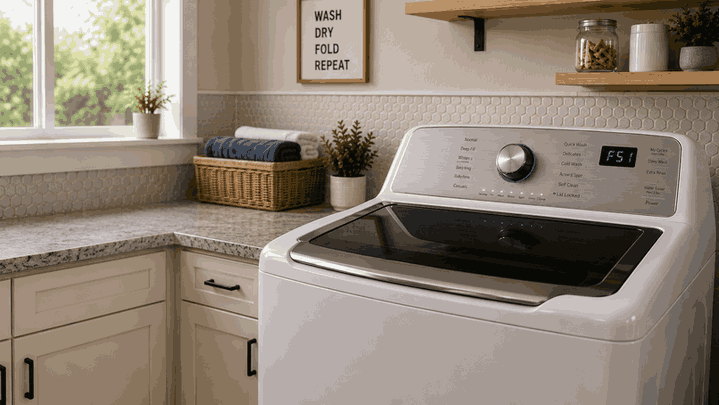
When a GE top load washer not draining issue appears, the washer is able to fill and wash but cannot move water out of the tub the way it should. That can leave the cycle incomplete and prevent the washer from moving properly into the spin stage.
On GE top load washers, draining depends on the drain pump, hose path, lid operation, and control system working together. If one part of that process is blocked or fails, the washer may hold water, stop mid-cycle, or finish with soaked laundry still inside.
Common Signs of the Problem
Standing Water Left in the Tub
The most obvious sign is standing water left in the tub after the cycle ends. Another common sign is clothing that stays unusually wet because the washer could not drain fully before spinning.
Humming, Pausing, or Stopping Before Spin
Some homeowners notice a humming sound when the machine should be draining. Others see the cycle pause, stop, or fail before the washer reaches the final spin. In some cases, the washer drains a little but not enough to empty the tub completely.
Slow Drain Before Full Failure
A slow drain can also be an early warning sign before a full drain failure develops.
Most Common Causes
Clogged Drain Path
One common cause is a clogged drain path. Lint, debris, fabric buildup, or small items can restrict the normal flow of water out of the washer.
Drain Hose Problem
Another likely cause is a drain hose problem. If the hose is kinked, pinched, or partially blocked, the washer may not be able to push water out properly.
Drain Pump Issue
A drain pump issue is also common. If the pump becomes jammed, weak, or fails electrically, the washer may stop with water still in the tub.
Lid Switch or Lid Lock Problem
On some GE top load washers, a lid switch or lid lock problem can also affect draining and spinning. If the washer does not recognize that operating conditions are correct, it may not complete the cycle normally.
Control Fault or Wiring Issue
There are also cases involving a control fault or wiring issue, especially when the machine stops at the same point every time.
What Homeowners Can Check First
Check the Drain Hose
First, check whether the drain hose behind the washer looks sharply bent or crushed. A restricted hose can slow or stop drainage.
Listen During the Drain Phase
Next, pay attention to whether the washer is making a humming sound during the drain phase. That can suggest the machine is trying to drain but cannot move water out correctly.
Check Whether the Lid Closes Properly
It also helps to check whether the lid is closing properly. If the lid does not shut or lock the way it should, some washers may not continue through the cycle normally.
Watch for Household Drain Issues
Look for signs of a larger household drain issue too. If nearby plumbing is draining slowly, that may be contributing to the problem.
Know When the Issue Is Deeper
If the washer repeatedly leaves water in the tub after these safe checks, the issue is likely deeper than a simple adjustment.
When Professional Service Makes Sense
Professional service makes sense when the washer leaves standing water after every cycle, when the problem keeps returning, or when the machine stops before spin and drain are completed. It is also the right step when the washer hums, pauses, or becomes unreliable during normal laundry use.
A persistent GE top load washer not draining problem often points to a blocked drain path, bad pump, lid-related fault, or control issue that needs proper diagnosis. At that stage, guessing usually wastes time and may leave the washer unusable.
For homeowners in San Diego, CA, service is often the practical next step when the washer can no longer finish cycles correctly or leaves laundry too wet for normal use.
Related Support Information
In some cases, a drain problem may appear together with a warning light or fault display. If needed, it may help to review a related GE washer error codes page or another closely related support article, but that should remain secondary to the main symptom of the washer not draining.
Conclusion
A GE top load washer not draining problem usually points to a clogged drain path, hose restriction, pump issue, lid-related fault, or control problem. The best approach is to check the safe basics first and know when professional washer service in San Diego, CA makes more sense than waiting for the problem to get worse.
Related GE Top Load Washer Troubleshooting Guides
Use these GE top load washer resources to connect a drainage problem with relevant error codes and another closely related water-flow issue.
GE Top Load Washer Error Codes: Start with GE Top Load Washer Error Codes when the washer displays a diagnostic message related to draining, filling, water-level sensing, lid operation, or cycle performance.
GE Top Load Washer Not Filling Water: Review GE Top Load Washer Not Filling Water when the tub remains dry, fills too slowly, or does not receive enough water to begin the wash cycle.
These related guides help homeowners connect a GE top load washer not draining with diagnostic codes and other problems affecting water movement through the appliance.
Contact Information
Reset Appliance Repair – San Diego, CA
📍 Address: 11031 Via Brescia, San Diego, CA 92129
📧 Email: resetappliance@gmail.com
☎️ Phone: +1 619-743-9389
🕒 Open Hours: Monday – Sunday: 7:00 AM – 10:00 PM
